Home  /  Treatments  /  Dentures

Restorative dentistry · Made to measure

Dentures made to measure.

Dentures at Sardinia House in Holborn replace some or all of your teeth with a removable appliance made to the shape of your mouth. We make acrylic, flexible Valplast and cobalt chrome partial dentures and full dentures, and repair and reline existing ones. A new denture usually takes four to five visits over several weeks. Acrylic partial dentures from £796; full dentures from £1,400.

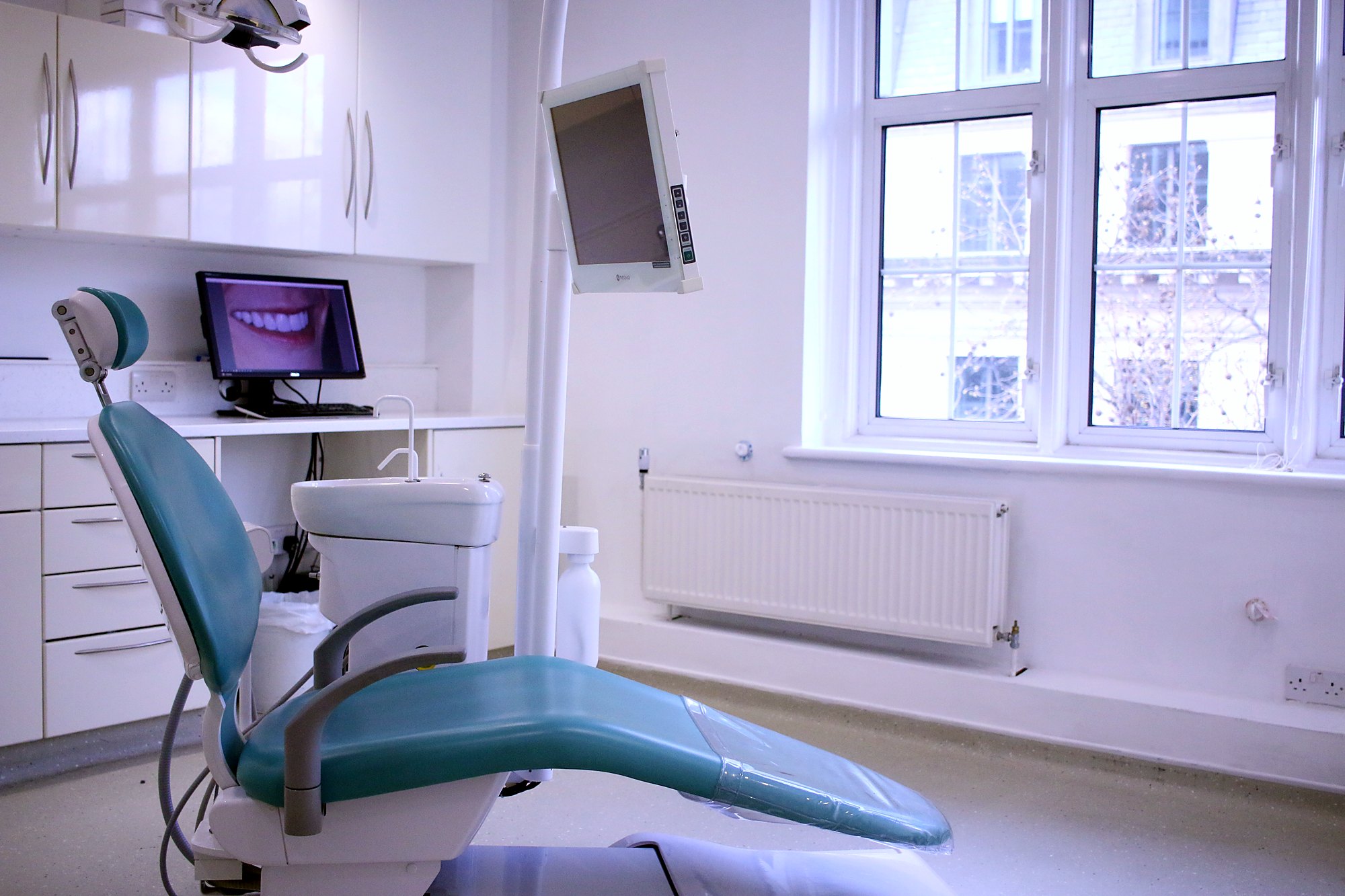
A surgery at Sardinia House with its chair and screen

Guide fee

From £796

Visits

Usually 4–5 for a new denture

Repairs and relines

From £150

With

All our dentists

Who it is for

When a denture is the considered choice

Several missing teeth, in different places

When gaps are spread around the mouth, a partial denture can replace them all in one appliance, clipping to the remaining teeth. It is often the most practical answer, and the kindest to the budget.

All the teeth in one jaw

A full denture rests on the gum and the palate, or on the ridge of the lower jaw. Made carefully, with attention to the bite and the support it gives the lips, it restores chewing and the shape of the face.

A denture that no longer fits

Gums change shape over the years and a denture that once fitted well starts to rock, rub or drop. A reline refits the existing denture to the mouth as it is now, without the cost of a new one.

A first step towards implants

A denture can carry you through while bone heals after extractions, or be converted later to clip onto implants for far greater stability. A provisional denture can be printed here the same day as an extraction, so that, wherever we can, you do not leave without a tooth.

The difference

What makes the difference

Three materials, chosen for the mouth

Acrylic is the familiar, adaptable option. Flexible Valplast partials are thin, light and have no visible metal clasps. Cobalt chrome partials are the slimmest and strongest, with a cast framework that holds firmly to the remaining teeth.

Recorded digitally

We scan the teeth and gums with an intra-oral scanner, and where a conventional impression still gives the better record of the soft tissues we take that with care too. The model is printed on our SprintRay printers or sent to the laboratory that makes the denture.

Tried in before it is finished

A wax try-in lets you see the teeth in your mouth, with the lip support and the smile line in place, before the denture is processed. Changes to the shade, shape or position are made at this stage, not after.

Fitted and adjusted by the same dentist

A denture is finished in the mouth, not in the lab. Your dentist fits it, checks the bite and the borders and sees you again for the small adjustments that make the difference between tolerating a denture and forgetting it is there.

The process

From assessment to fitted denture

01

Assess and plan

We examine the remaining teeth and gums, take X-rays where needed and discuss what you want from the denture: appearance, comfort, ease of cleaning. The type of denture is agreed and a written plan with fees follows.

02

Impressions and scan

The teeth and soft tissues are recorded in detail. For a full denture this is done in two stages, so that the borders of the denture follow the way your lips and cheeks move.

03

Bite and try-in

We record how your jaws meet and choose the shade and shape of the teeth. At the wax try-in you see the result in a mirror and we adjust until you are happy with how it looks and feels.

04

Fit

The finished denture is fitted and the bite checked. We show you how to put it in, take it out and clean it, and tell you what to expect in the first days.

05

Review and adjust

A review visit a week or so later deals with any sore spots. Minor easing of the acrylic at this stage is normal and part of the process, not a sign that something has gone wrong.

Afterwards

Aftercare

New dentures take a little getting used to. Start with soft food cut small, read aloud to settle your speech, and keep the denture in for the hours we suggest. Take it out at night, brush it over a basin of water and leave it in a cleaning solution. Brush your gums and any remaining teeth as usual, and come back for the review.

Guide fees

Acrylic partial denturefrom £796
Flexible Valplast partial denturefrom £1,250
Cobalt chrome partial denturefrom £1,495
Full denture, one archfrom £1,400
Repairs / relinesfrom £150 / from £250

Guide fees. Nothing is started until your plan, with every fee written down, is in your hands. See all fees

Good to know

The questions we are asked most

How much do dentures cost in London?+

At Sardinia House in Holborn an acrylic partial denture is from £796, a flexible Valplast partial from £1,250, a cobalt chrome partial from £1,495 and a full denture from £1,400, or from £2,600 for upper and lower together. Repairs are from £150 and relines from £250.

How long does it take to get used to new dentures?+

Most people adapt over a few weeks. Speech and eating usually settle first, and the sense of bulk fades as the mouth learns the new shape. Sore spots in the early days are normal and are eased at your review.

Which type of denture is right for me?+

It depends on how many teeth are missing, where they are and the condition of those that remain. Cobalt chrome is slim and strong, Valplast is flexible with no metal on show, and acrylic is adaptable and easier to add teeth to later. We advise after the assessment.

Does getting dentures hurt?+

Making a denture involves no drilling, so the visits are comfortable. Once fitted, a new denture may rub in places as the gums adjust, which is why we see you again to ease it. If extractions are needed first, those are done under local anaesthetic.

Can my old denture be repaired or relined?+

Usually, yes. A cracked denture or a lost tooth can often be repaired, and a loose denture relined to fit the gums as they are now. We will tell you if the denture is worn to the point where a new one would serve you better.

Can dentures be fixed to implants?+

Yes. Two or more implants can hold a lower denture firmly in place, which stops it lifting when you eat or speak. The denture clips on and off for cleaning. We plan implant-retained dentures in 3D from a CBCT scan.

Should I take my dentures out at night?+

Yes. The gums need time without pressure, and leaving dentures in overnight raises the risk of sore patches and fungal infection. Clean the denture, leave it in water or a soaking solution, and brush your gums and tongue before bed.

Related treatments

Book an appointment

Known by name, from your first visit to your last.

Book online at any time, or call and speak to someone who will remember you.

Call or WhatsApp020 7404 8600
Emailinfo@sardiniadental.com
OpenMon–Thu from 8am, late on Wednesdays, Fri from 8.30am
Nearest stationHolborn, around 5 min
Part ofDental Group