Home  /  Treatments  /  Crowns

Restorative dentistry · Made to measure

A crown made for the tooth, not near it.

A crown covers a tooth that has lost too much structure for a filling, after a large cavity, a crack, a root canal or years of wear. At Sardinia House in Holborn every crown starts with a digital scan. Many are milled and finished here the same day; where a case needs a ceramist's hand, we work with master technicians in the UK and abroad, and you leave with a provisional made on site in the meantime. Guide fee from £1,250.

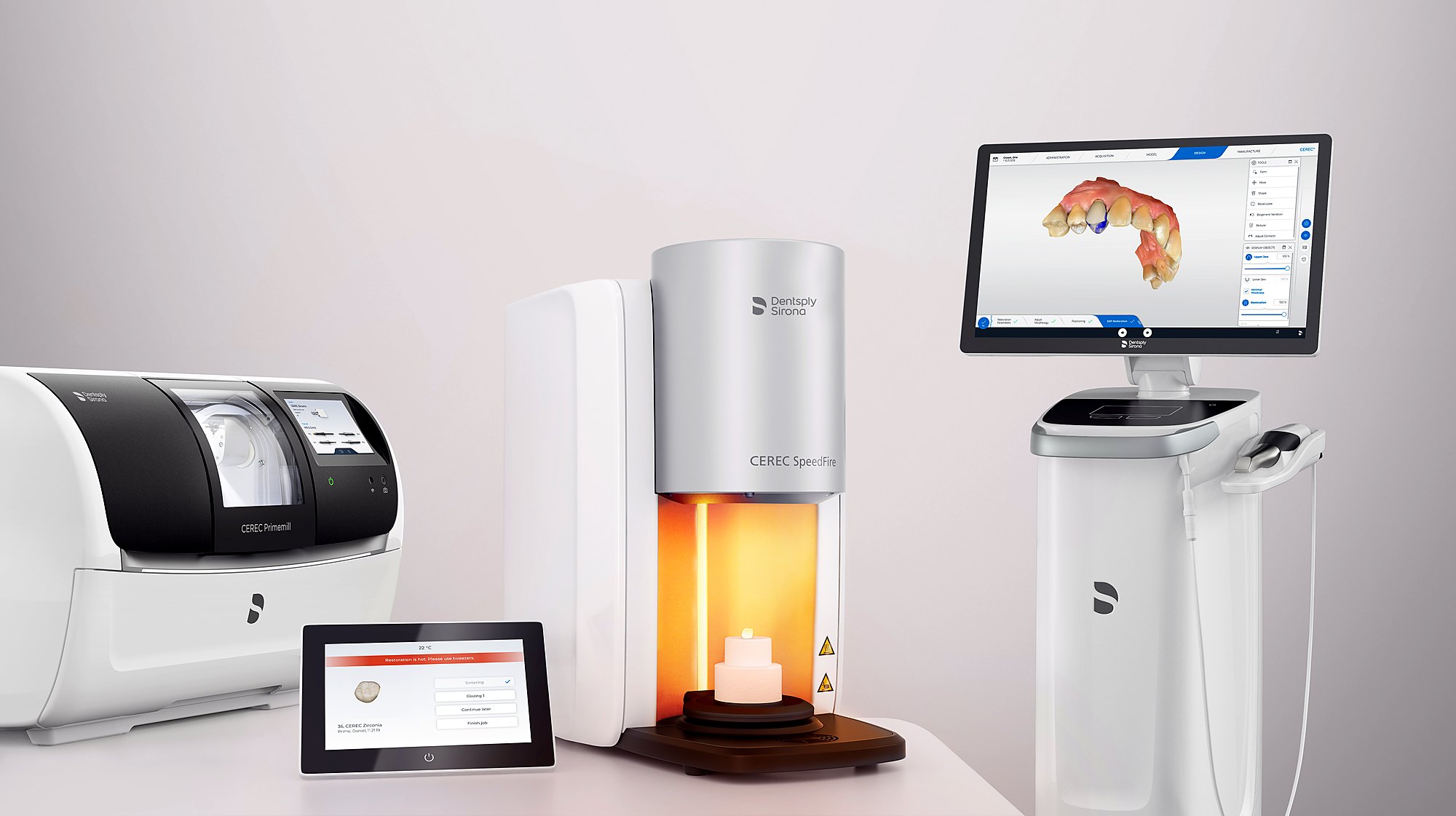
The CEREC Primemill, SpeedFire and Primescan

Guide fee

From £1,250

Visits

One (same day) or two

Time

Same day, or 2–3 weeks for a lab-made crown

With

All our dentists

Who it is for

When a crown is the right repair

A tooth with more filling than tooth

When a filling makes up most of a tooth, the walls that remain are thin and can fracture. A crown wraps the whole tooth and holds it together, which a bigger filling cannot do.

After root canal treatment

A back tooth that has had root canal treatment is brittle and needs to be protected from biting forces. A crown placed soon afterwards is the best insurance for the work that went into saving it. Often we can do both in one day.

A cracked or broken tooth

If the crack stops short of the root, a crown holds the pieces together and shares the biting load across the tooth. The sooner it is covered, the better the chance of keeping the tooth.

A worn or discoloured tooth

Where a tooth has worn short, darkened after injury or simply never matched its neighbours, a crown restores its shape and shade. For front teeth the ceramic is layered by hand so it reads as a tooth, not a cap.

The difference

What makes the difference

Scanned, not moulded

The prepared tooth is recorded with a Primescan or iTero™ scanner, so there is no putty impression and the fit is designed against an exact model. The design is checked on screen before anything is made.

Made here, or by a master ceramist

Most single crowns are milled from a ceramic block on our CEREC and stained and glazed by the dentist, so you leave with the finished tooth the same afternoon. Where a case calls for a layered ceramic, a gold crown or a difficult shade match, we send the scan to a master ceramist we trust, in the UK or abroad.

Wherever we can, you do not leave without a tooth

When a crown is made off site, a provisional is milled or printed here the same day, so the tooth is protected and looks right while the final crown is finished.

The right material for the job

Lithium disilicate (e.max) for front teeth and most premolars, zirconia where strength matters, porcelain bonded to metal where it suits, and gold for a heavy bite at the back. The choice is explained and written into your plan.

The process

From assessment to fitted crown

01

Assess and plan

We examine the tooth, take an X-ray and check the bite, and talk through whether a crown, an onlay or a filling is the better answer. You receive a written plan with the material and the fee.

02

Prepare and scan

Under local anaesthetic the tooth is shaped to make room for the crown, then scanned. If the crown is being made here, the design starts straight away. If it is going to a ceramist, a provisional is made on site and fitted before you leave.

03

Make

A same-day crown is milled, stained, glazed and fired in the practice while you wait or go for a coffee. A lab-made crown is layered and finished by the ceramist over two to three weeks, with a try-in for front teeth where that helps.

04

Fit and finish

The crown is tried in, the contacts and bite are adjusted, and it is bonded or cemented. We check the bite again and show you how to clean around the margin.

Afterwards

Aftercare

A crowned tooth is cleaned like any other: brush twice a day and clean between the teeth, paying attention to the margin where crown meets gum. Mild sensitivity to cold usually settles within a few weeks. If the bite feels high, tell us; a small adjustment is quick. Keep your check-ups so the margin can be checked.

Guide fees

Same-day CEREC crownfrom £1,250
e.max or zirconia crownfrom £1,250
Porcelain bonded to metal crownfrom £1,250
Highly aesthetic, hand-layered crownfrom £1,450
Gold crownfrom £1,350
Post and corefrom £350
Long-term temporary crownfrom £350
Recement crownfrom £150

Guide fees. Nothing is started until your plan, with every fee written down, is in your hands. See all fees

Good to know

The questions we are asked most

How much does a dental crown cost in London?+

Our guide fee at Sardinia House in Holborn is from £1,250 for a same-day, e.max, zirconia or porcelain-bonded crown, from £1,450 for a hand-layered ceramic crown for the most visible teeth, and from £1,350 for gold. A post and core, where a tooth needs rebuilding first, is from £350. Your written plan gives the exact figure.

Can I have my crown the same day?+

Usually, yes. Most single crowns are designed, milled and finished here on CEREC in one visit. Where the case needs a ceramist, for a very visible front tooth, a gold crown or a difficult shade, it takes two visits and you leave with a provisional made on site.

Which material is best?+

It depends on the tooth. e.max suits front teeth and premolars for its translucency; zirconia is the strongest and suits molars and heavy bites; gold is kind to opposing teeth and lasts a very long time at the back. We recommend one and explain why.

Does getting a crown hurt?+

We shape the tooth once it is numb; you will notice pressure and vibration, but it should not hurt. It may be tender for a few days afterwards, especially if it was already sore before treatment.

How long does a crown last?+

A well-made crown on a well-cleaned tooth commonly lasts ten to fifteen years and often longer. The usual reason for replacement is decay at the margin, so cleaning around it and keeping your check-ups matter more than the material.

What is a post and core?+

When a tooth has had root canal treatment and little of it remains above the gum, a post is placed into the root to anchor a core, which rebuilds the tooth so a crown has something to hold. It is done at the preparation visit.

My old crown has come off. Can you put it back?+

Often, yes. Keep it safe and call us; we can usually see you the same day. If the crown and the tooth beneath it are sound it can be recemented, from £150. If decay has crept beneath it, a new crown is the better answer.

Crown or veneer: what is the difference?+

A veneer covers the front surface of a tooth and is used to change its colour or shape; a crown covers the whole tooth and is used to protect one that is weakened, cracked or heavily filled. The choice depends on how much sound tooth remains, which the scan and X-rays make clear before we recommend either.

Related treatments

Book an appointment

Known by name, from your first visit to your last.

Book online at any time, or call and speak to someone who will remember you.

Call or WhatsApp020 7404 8600
Emailinfo@sardiniadental.com
OpenMon–Thu from 8am, late on Wednesdays, Fri from 8.30am
Nearest stationHolborn, around 5 min
Part ofDental Group